

Sports
Hurricanes 2026 Stanley Cup Redemption Road From Heartbreak to Glory
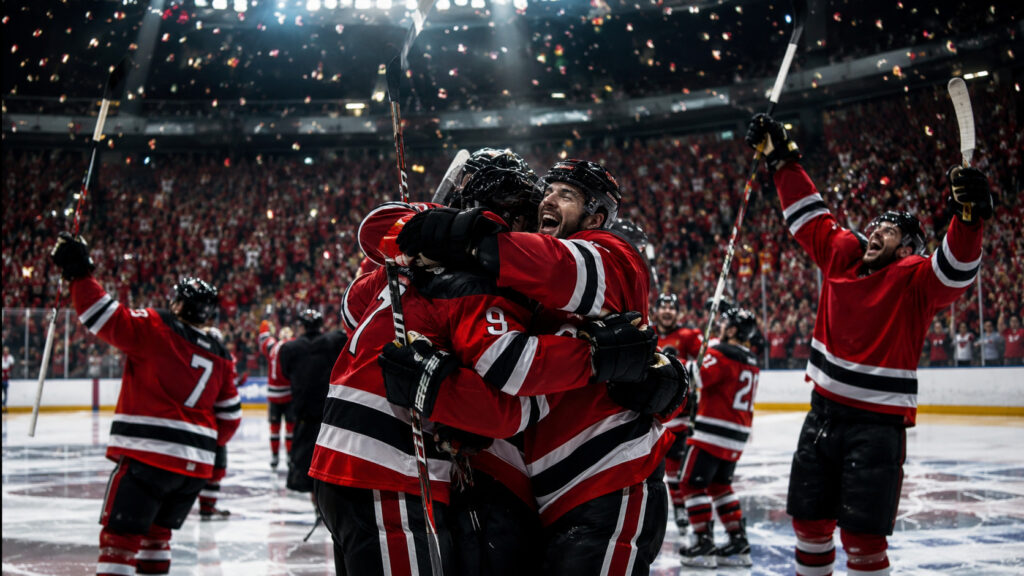
Jun
Hurricanes 2026 Stanley Cup Redemption Road From Heartbreak to Glory
The Carolina Hurricanes did not simply win the 2026 Stanley Cup. They completed a story that had been building for two decades.
For twenty years, the image of the 2006 Hurricanes lifting the Stanley Cup stood as both a proud memory and a painful reminder. Carolina had already known what hockey glory felt like. The franchise had already given Raleigh a championship parade, a team of heroes, and a lasting hockey identity in a market that had once been doubted. But after that first Cup, the Hurricanes spent years chasing the feeling again, only to run into frustration, playoff heartbreak, and the cruel truth that being good is never the same as being complete.
That changed in 2026.
With a 3-0 win over the Vegas Golden Knights in Game 6 of the Stanley Cup Final, the Hurricanes became champions again. The victory gave Carolina its first Cup since 2006 and its second championship in franchise history. It also gave the fan base a release that had been building through years of near-misses, deep playoff runs, regular-season consistency, and the belief that this core was too good not to break through eventually.
This was not a random title. It was not a lucky run. It was not a story built on one hot week or one magical bounce.
The Hurricanes finished the playoffs with a dominant 16-3 record, one of the most forceful championship runs of the modern era. They beat opponents with structure, depth, relentless pressure, and a defensive identity that became stronger as the stakes grew higher. They survived the early chaos of the Stanley Cup Final, adjusted when the series threatened to slip away, and then won the last three games after trailing in the matchup.
That is why this championship will live differently in Carolina history.
It was not only about winning. It was about finally arriving.
A Game 6 Built for Carolina’s Identity
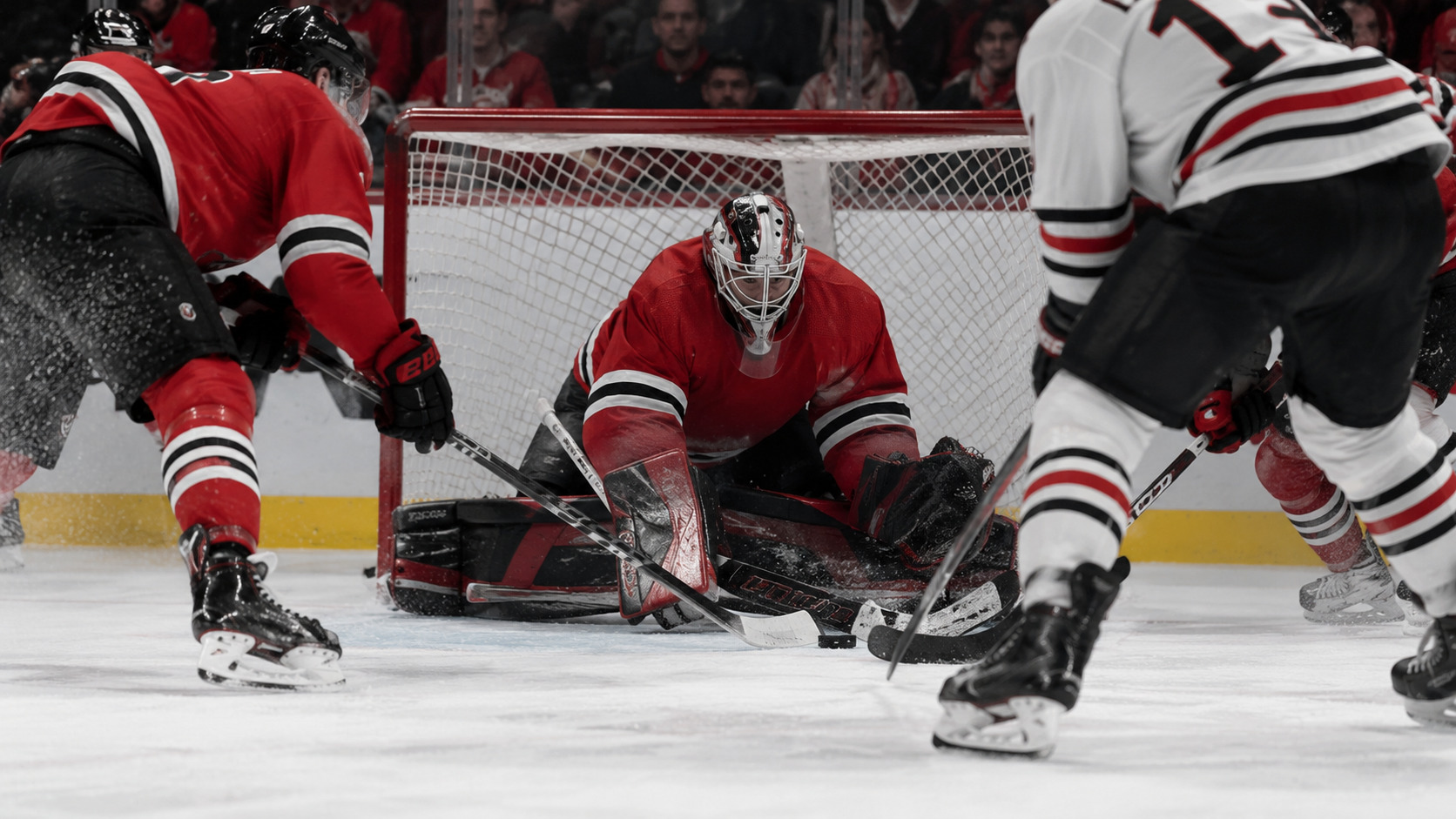
Game 6 in Las Vegas looked like the kind of game the Hurricanes had been trying to create all series. It was tight, controlled, suffocating, and emotionally disciplined. Instead of trading chances with the Golden Knights, Carolina turned the clinching game into a test of patience, positioning, and belief.
Vegas had the crowd, the desperation, and the pressure of trying to force a Game 7. Carolina had the lead, the structure, and the calm of a team that had already taken control of the series.
Taylor Hall opened the scoring early in the first period, giving the Hurricanes the exact start they needed. In a game where the first goal mattered so much, Hall’s finish changed the tone. It forced Vegas to chase. It allowed Carolina to settle into its defensive rhythm. It also gave Hall, one of the most compelling veteran stories on the roster, a defining moment in a career that had taken him through several NHL stops before finally ending with the Stanley Cup in his hands.
From there, the Hurricanes did what championship teams do. They did not panic when Vegas pushed. They did not open the game up unnecessarily. They did not chase a highlight-reel performance. They protected the middle, stayed layered in their own zone, and trusted that their structure would create enough offense.
Jackson Blake delivered the second goal, continuing his emergence as one of Carolina’s most important young contributors. His performance in Game 6 showed why depth matters in the Stanley Cup Playoffs. Championship teams need stars, but they also need the next wave of players to step into bigger moments without fear. Blake did that. His goal pushed Carolina’s lead to 2-0 and made the Golden Knights’ climb feel heavier.
Nikolaj Ehlers added the final touch with an empty-net goal, sealing the game and the championship. The goal was more than a scoreboard detail. It represented the Hurricanes’ roster-building success. Carolina did not win this Cup with only one generation of players. The team blended veterans, new additions, emerging talents, and longtime franchise leaders into a roster that could win in several different ways.
Then there was Brandon Bussi.
Game 6 belonged to Carolina’s entire defensive system, but the shutout made Bussi impossible to ignore. He stopped all 22 shots he faced, giving the Hurricanes a calm final layer behind their aggressive pressure. His rise became one of the defining subplots of the Final. Carolina entered the series with Frederik Andersen as the experienced option, but when the series changed, Bussi became the unexpected answer.
By the time the final horn sounded, Bussi had gone from emergency solution to championship hero.
The Turning Point That Changed the Final
The Stanley Cup Final did not begin as a smooth Carolina march. In fact, the early games had the kind of chaos that could have pulled the Hurricanes away from their identity.
Vegas pushed Carolina into uncomfortable situations. The Golden Knights were dangerous, experienced, and built with enough offensive power to punish mistakes. Early in the series, the Hurricanes had to survive swings, deficits, and high-pressure moments that did not always resemble the clean defensive hockey they preferred.
The series turned when Carolina refused to fold.
After falling behind in the Final, the Hurricanes found a new level. They tightened their defensive game, trusted Bussi, and took control of the matchup by winning the last three games. That comeback made the championship feel even more meaningful. Carolina did not simply protect an early series lead. It had to solve the Final while the pressure was rising.
That is the difference between a talented team and a champion.
The Hurricanes had spent years hearing that they were good enough to contend. They had won divisions, pushed deep into the playoffs, and built a culture that other teams respected. But every spring seemed to end with another lesson. Sometimes they needed more scoring. Sometimes they needed more finishing. Sometimes they ran into a hotter team. Sometimes the margins were simply too thin.
In 2026, they turned every old failure into part of the final answer.
The comeback in the Stanley Cup Final showed maturity. Carolina did not abandon its system when things became difficult. It doubled down on it. The team played faster without becoming reckless. It forechecked harder without losing shape. It defended with more bite without chasing hits out of position. It leaned into what made it elite.
That is why the last three games felt less like a comeback and more like a takeover.
Jordan Staal’s Legendary Final Chapter
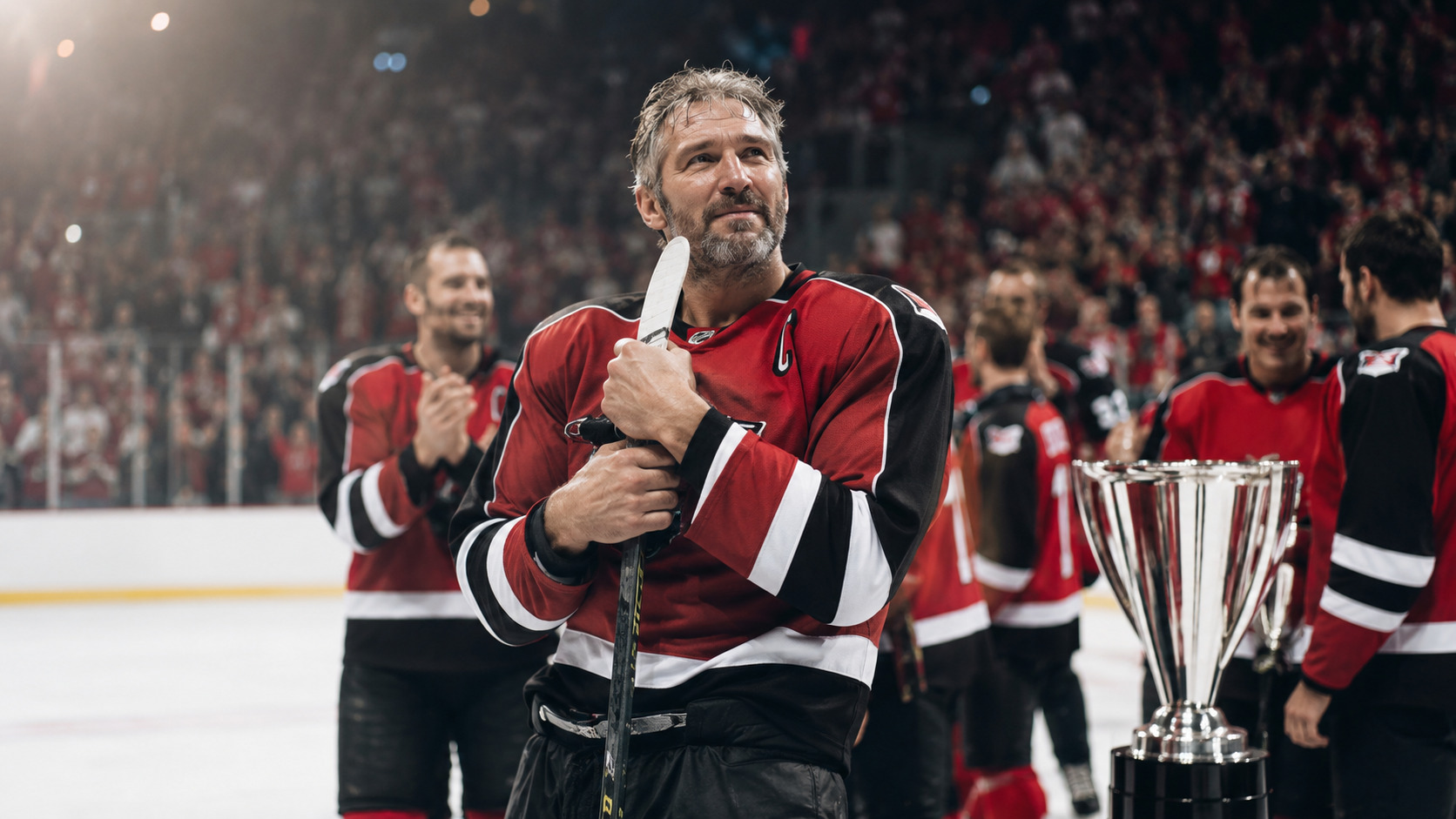
Every championship needs a face. For the 2026 Hurricanes, Jordan Staal became that face.
Staal’s Conn Smythe Trophy win was one of the most emotional parts of Carolina’s championship story. At 37, he became the oldest Conn Smythe winner, adding another layer to a career already defined by leadership, physicality, defensive intelligence, and quiet professionalism. He was not the flashiest player in the league. He was not the loudest personality. He was not the kind of player built for constant headlines.
But he was exactly the kind of player built for the Stanley Cup Playoffs.
Staal’s impact went beyond the scoresheet, though his offensive production in the Final made the story impossible to miss. He scored in the first five games of the championship series, giving Carolina a steady presence at the most important time of the season. Around the net, along the boards, in defensive coverage, and in the faceoff circle, he played the kind of heavy playoff hockey that wears opponents down.
His Conn Smythe win also connected generations of Carolina hockey.
Staal was not part of the Hurricanes’ 2006 championship team, but his family name is tied forever to that era through Eric Staal, the star center who helped define Carolina’s first Cup run. That connection made the 2026 victory feel like a bridge between two eras. The first Cup belonged to the rise of the franchise in Raleigh. The second belonged to the proof that Carolina’s hockey identity was not temporary.
Jordan Staal lifting the Cup as captain gave the moment a sense of completion. He had spent years as one of the franchise’s emotional anchors. He had carried responsibility through playoff disappointments. He had watched the Hurricanes get close and fall short. In 2026, he did not just lead Carolina to the finish line. He became the playoff MVP.
For a franchise built on work ethic, his Conn Smythe felt fitting.
Rod Brind’Amour’s Player-Coach Legacy
If Staal symbolized the heart of the 2026 roster, Rod Brind’Amour represented the soul of the franchise.
Brind’Amour’s place in Hurricanes history was already secure long before this championship. He captained Carolina to the 2006 Stanley Cup, giving the franchise its first title and becoming one of the defining figures in Raleigh sports history. But winning the Cup as a coach elevated his legacy into something rare.
Few people get to lift the Stanley Cup as both a player and a coach for the same franchise. Even fewer do it while becoming the living link between two championship eras separated by twenty years.
That is what makes Brind’Amour’s story so powerful.
As a player, he represented sacrifice, conditioning, leadership, and competitive fire. As a coach, he built a team in that same image. The Hurricanes under Brind’Amour have never been about shortcuts. They skate. They pressure. They defend. They demand responsibility from every line. They play with the belief that effort is not a bonus but a requirement.
For years, that identity made Carolina one of the NHL’s most respected teams. But respect without a championship can become frustrating. The Hurricanes kept making the playoffs. They kept threatening to break through. They kept looking like a team that could win it all if the final pieces aligned.
In 2026, they did.
Brind’Amour’s second Stanley Cup was not only a personal achievement. It validated the entire culture he had built. It proved that Carolina’s style could survive the modern NHL playoffs. It proved that defense, pressure, and depth still matter. It proved that the Hurricanes were not just a strong regular-season machine.
They were champions.
A 16-3 Run That Left No Doubt
The numbers make the championship even more impressive.
A 16-3 playoff record is not just good. It is dominant. It means Carolina did not stumble through four rounds. It controlled them. The Hurricanes won series quickly, conserved energy, and rarely allowed opponents to drag them into extended battles. That matters in the Stanley Cup Playoffs, where every extra game brings more physical punishment and more chances for injuries to change the story.
Carolina’s dominance came from balance.
The Hurricanes had scoring depth. They had veteran leadership. They had young players making timely contributions. They had defensemen who could move the puck and defend with discipline. They had forwards who bought into back pressure. They had goaltending that rose at the exact moment it was needed most.
Most importantly, they had an identity that translated from round to round.
Some teams win because one superstar carries them. Some win because a goalie becomes unbeatable. Some win because their power play catches fire. Carolina’s 2026 title had pieces of individual brilliance, but the foundation was collective. The Hurricanes won because they could roll lines, maintain pressure, and force opponents to play uncomfortable hockey.
That kind of run changes how a championship is remembered.
A team that barely survives can still be celebrated. But a team that goes 16-3 earns a different label. It becomes a measuring stick.
Raleigh Finally Gets Its Release
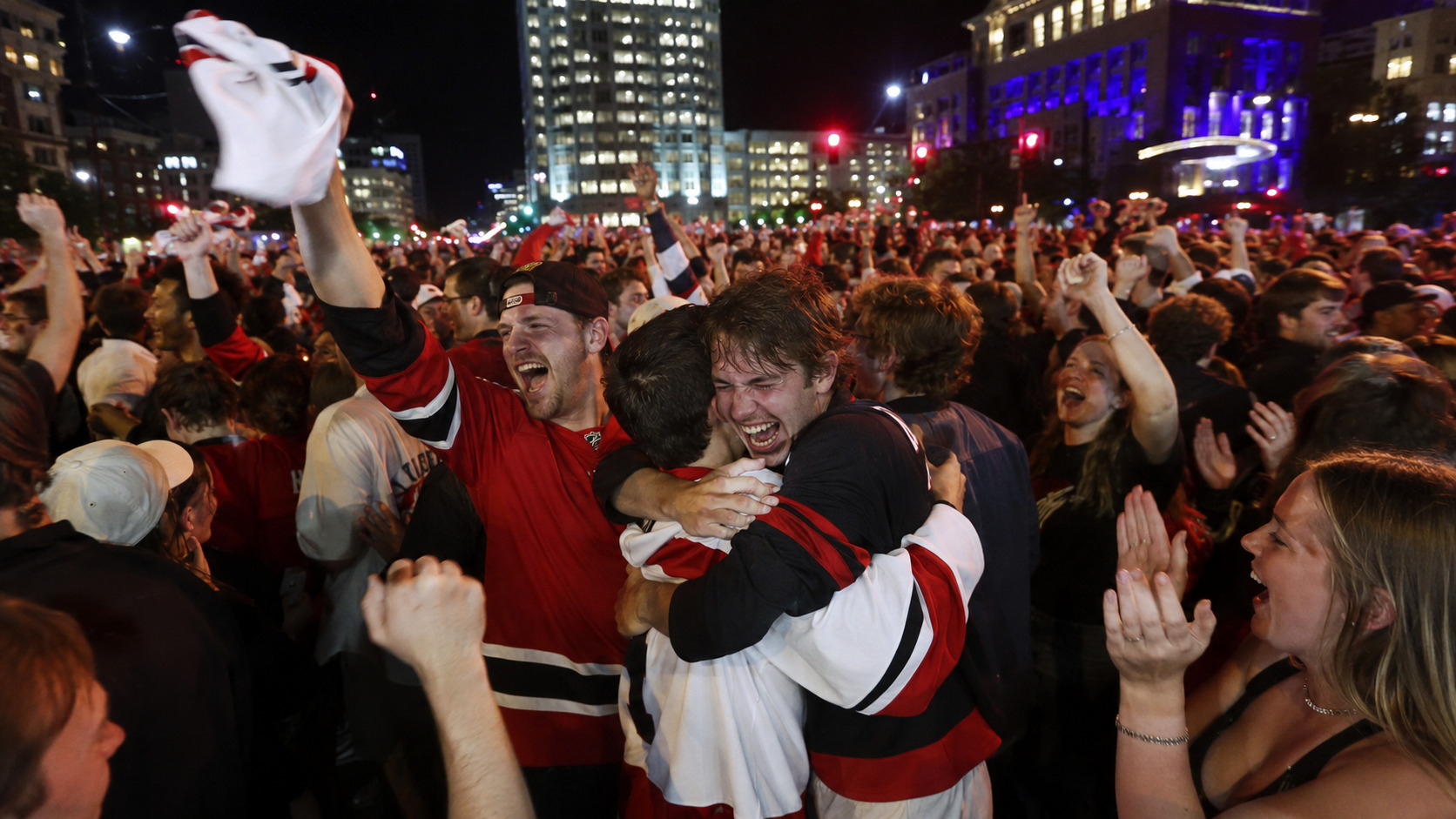
The Stanley Cup celebration did not begin when the team returned to North Carolina. It began the moment the final seconds disappeared in Las Vegas.
In Raleigh, fans packed watch parties, bars, outdoor gatherings, and living rooms. Lenovo Center, the home of so many Hurricanes memories, became the emotional center of the celebration even though the clinching game was played across the country. Every goal created a wave of sound. Every Bussi save tightened the anticipation. Every cleared puck brought the city closer to release.
For longtime fans, the night carried twenty years of memory.
They remembered 2006. They remembered Eric Staal, Cam Ward, Rod Brind’Amour as captain, and the first time the Cup came to Raleigh. They remembered the doubts about whether hockey could work in North Carolina. They remembered the years when the Hurricanes were not always taken seriously by outsiders. They remembered the playoff heartbreaks that followed.
That is why this championship was more than a sports result.
It was a civic moment.
Raleigh is not a market borrowing hockey culture anymore. It is a market that has built its own. The “Caniacs” are not a novelty. They are a fan base with history, pain, loyalty, and now two Stanley Cups. The Hurricanes’ identity has become inseparable from the Triangle’s sports culture, and this championship strengthens that bond.
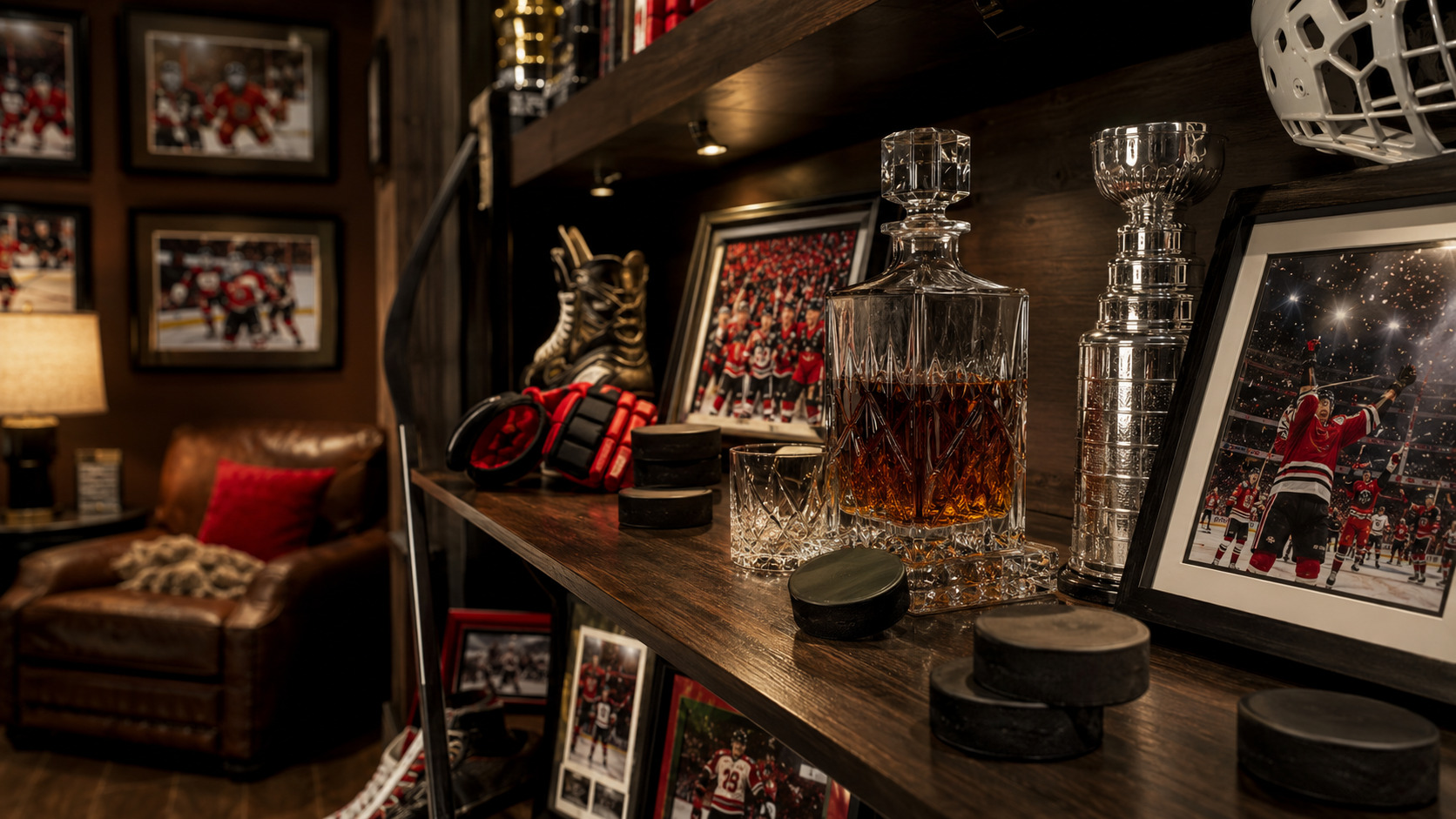
For fans celebrating the title at home, the moment is also about memory. Jerseys, photos, ticket stubs, watch-party videos, and collectibles become part of how a championship is preserved. Supporters building a championship display or home bar around this era can naturally add pieces like the Stormy Bunch of Jerks Carolina Hurricanes Whiskey Decanter as a keepsake that fits the spirit of the fan base: proud, loud, and impossible to ignore.
The Eric Staal Era and the Jordan Staal Moment
The emotional connection between the 2006 and 2026 Hurricanes is impossible to miss.
The 2006 team gave Carolina its first hockey immortality. Eric Staal was one of the defining stars of that group, and Rod Brind’Amour was the captain who lifted the Cup. That team helped prove that Raleigh could be a true NHL home. It changed how the franchise saw itself and how the market was seen by others.
The 2026 team did something different.
It proved that the first championship was not an isolated miracle. It showed that the Hurricanes could build, suffer, adapt, and return to the top. Jordan Staal’s leadership gave the new Cup run a family echo, while Brind’Amour’s presence behind the bench tied everything together.
In that sense, the 2026 Stanley Cup was both a sequel and a statement.
It honored the past without living in it.
What This Championship Means for the Franchise
The Hurricanes’ 2026 Stanley Cup changes the franchise’s identity.
Before this run, Carolina could be described as a consistent contender still chasing validation. After this run, that description no longer works. The Hurricanes are now a two-time Stanley Cup champion with a modern title built on a clear organizational vision.
That matters.
Championships do not just reward one roster. They reshape perception. Free agents see the franchise differently. Young players enter the system with a different standard. Fans carry a different confidence. Opponents treat the building, the coach, and the culture with a different level of respect.
For Carolina, the Cup confirms that the long road was worth it.
The years of playoff pain were not wasted. The roster decisions, the coaching philosophy, the commitment to pressure hockey, and the belief in depth all led here. The Hurricanes did not need to become someone else to win. They became the best version of themselves.
That may be the most satisfying part of the story.
Conclusion The Storm Finally Reached the Summit
The Carolina Hurricanes’ 2026 Stanley Cup victory will be remembered for the Game 6 shutout, Brandon Bussi’s heroics, Taylor Hall’s early goal, Jackson Blake’s breakthrough, Nikolaj Ehlers’ clincher, Jordan Staal’s Conn Smythe, and Rod Brind’Amour’s rare player-coach legacy.
But the deeper story is about time.
Twenty years after the first Cup, the Hurricanes finally returned to the top of the NHL. They did it after heartbreak. They did it after doubt. They did it after trailing in the Final and needing to win the last three games. They did it with defense, depth, leadership, and belief.
From 2006 to 2026, Carolina waited.
Now the wait is over.
The Hurricanes are Stanley Cup champions again.
Home Page: Makvera.com